Location
2nd Floor, Vikas Building, Link Rd, Palayam, Calicut, 673002
Call Us
+91 9562221166
Digital marketing is evolving at an unprecedented pace, and 2026 digital marketing updates are fundamentally reshaping how brands connect with their customers across channels. For marketing professionals, business owners, and agencies aiming to stay competitive, understanding these 2026 digital marketing updates is essential, as they directly influence campaign strategy, audience targeting, and measurable results.
This guide breaks down the most significant 2026 digital marketing updates shaping the industry today. You’ll discover how AI-powered marketing tools are enabling smarter, more personalized customer experiences that feel timely and relevant. We’ll also explore why privacy-first strategies are becoming essential within the broader scope of 2026 digital marketing updates, as data regulations tighten and consumers demand greater control over their personal information. Finally, you’ll learn how immersive technologies such as AR and VR—key elements of 2026 digital marketing updates—are creating new opportunities for brands to engage audiences and stand out in an increasingly crowded digital landscape.
These aren’t distant trends—they’re already in motion and will define successful marketing strategies throughout 2026 that are used by digital marketing experts.

Modern AI chatbots have evolved far beyond simple rule-based responses, and as part of 2026 digital marketing updates, these intelligent systems now play a central role in customer engagement strategies. They analyze customer behavior patterns, purchase history, and real-time interaction data to create deeply personalized conversations. Aligned with 2026 digital marketing updates, advanced chatbots can detect emotional cues in text, adjust their tone accordingly, and remember customer preferences across multiple touchpoints to deliver more human-like interactions.
The latest chatbot platforms seamlessly integrate with CRM systems to pull relevant customer information instantly. Within the scope of 2026 digital marketing updates, this means that when a returning customer initiates a conversation, the bot already understands their previous purchases, support tickets, and communication preferences. This level of contextual awareness creates frictionless experiences that feel more like engaging with a knowledgeable brand representative than interacting with automated software.
Natural language processing capabilities have also reached impressive levels as highlighted in 2026 digital marketing updates. These chatbots understand intent and context, manage complex queries, and engage in small talk to build trust and rapport. They are particularly effective at qualifying leads, delivering data-driven product recommendations, and resolving common support issues without human intervention—making them a powerful asset in modern digital marketing strategies.
Marketing teams now have access to advanced predictive models, and under 2026 digital marketing updates, these tools are becoming a core part of data-driven decision-making. They analyze vast volumes of customer data to forecast behavior with remarkable accuracy, examining everything from browsing patterns and social media activity to seasonal trends and broader economic indicators.
As highlighted in 2026 digital marketing updates, this technology can identify highly specific micro-segments within customer bases that traditional demographic targeting often overlooks. For example, predictive systems may reveal that customers who browse certain product categories on weekday mornings are significantly more likely to purchase premium items than those browsing on weekends, enabling more precise and profitable targeting.
Campaign optimization also occurs in real time through machine learning algorithms—another key aspect of 2026 digital marketing updates. These systems continuously adjust targeting parameters and budget allocation based on performance. If a campaign begins to underperform with one audience segment, spend is automatically shifted to higher-performing groups. This dynamic, AI-driven approach maximizes ROI while minimizing wasted ad spend, making it essential for competitive digital marketing strategies in 2026.
Content generation has been revolutionized through AI systems that can produce blog posts, social media updates, email campaigns, and even video scripts. These tools analyze top-performing content in specific industries and create new material that follows proven engagement patterns.
The most advanced platforms can maintain brand voice consistency across all content types. They learn from approved company materials and replicate the unique style, tone, and messaging preferences that resonate with target audiences.
Creative teams now focus on strategy and high-level creative direction while AI handles routine content production. This shift allows marketers to scale their content output dramatically without proportional increases in staffing costs. The technology also enables rapid A/B testing of different content variations to identify the most effective messaging approaches.
Voice search queries are fundamentally different from typed searches, requiring new optimization strategies. People use conversational language when speaking to devices, asking complete questions rather than typing fragmented keywords. It will be one of the hype generating 2026 digital marketing updates.
Content optimization now focuses on natural language patterns and question-based queries. Marketers create content that directly answers specific questions customers might ask their smart speakers or voice assistants. This includes optimizing for local searches since many voice queries are location-specific.
Featured snippets and position zero rankings have become critical for voice search success. When someone asks a question aloud, voice assistants typically read the featured snippet response. Businesses structure their content to capture these coveted positions through clear, concise answers formatted for easy extraction by search algorithms.

Companies are increasingly recognizing that directly asking customers for information builds stronger trust and deeper engagement than covert tracking ever could. According to leading marketing research, leveraging zero-party data—data voluntarily shared by customers—is now a central strategy in 2026 digital marketing updates. By collecting preferences, interests, and needs through surveys, preference centers, and interactive quizzes, brands demonstrate both transparency and respect for consumer privacy, establishing authority and credibility in the process.
Top-performing brands highlighted in 2026 digital marketing updates are implementing advanced preference centers that empower customers to control the content and offers they receive. Rather than guessing whether someone enjoys sports or cooking content, companies ask directly, ensuring that their communications are accurate, consent-driven, and relevant. This evidence-based approach reflects best practices recognized by experts in digital marketing and privacy compliance.
Interactive tools—such as “What’s your style?” quizzes or “Build your perfect product” configurators—collect valuable insights while providing an enjoyable, educational experience for users. Incorporating these methods, which are frequently cited in 2026 digital marketing updates, allows businesses to personalize campaigns with confidence, backed by high-quality, first-party insights rather than assumptions or third-party tracking.
A key advantage emphasized in 2026 digital marketing updates is that zero-party data remains current, unlike third-party cookies, which can quickly become outdated. As customers update their preferences, brands can adapt their messaging instantly, delivering hyper-relevant experiences. This level of transparency, accuracy, and responsiveness builds trust with audiences, reinforcing a brand’s expertise and authority in a privacy-conscious digital landscape.
The death of third-party cookies pushed marketers to develop smarter measurement methods. First-party data strategies now anchor successful campaigns, using customer login information, email addresses, and direct website interactions to track user journeys.
Server-side tracking has become the new standard, moving data collection away from browsers to secure company servers. This method captures more accurate information while respecting user privacy choices. Advanced attribution modeling helps connect customer touchpoints without relying on cross-site tracking.
Contextual advertising is making a major comeback. Instead of following users around the internet, ads now match content themes and audience demographics. A fitness article displays workout gear ads, while cooking blogs show kitchen equipment – simple but effective.
Privacy-preserving technologies like differential privacy and federated learning allow aggregate analysis without exposing individual user data. These methods maintain campaign optimization capabilities while keeping personal information protected.
One of the major 2026 digital marketing updates is clear, honest communication about data use transforms privacy compliance from a legal requirement into a competitive advantage. Companies that explain data collection in plain language see higher opt-in rates than those hiding behind technical jargon.
Progressive consent strategies introduce data sharing gradually rather than overwhelming users with lengthy forms at first visit. A simple email signup might later invite users to share birthday information for special offers, building trust step by step.
Visual consent interfaces use graphics and interactive elements to show exactly how data gets used. Instead of dense privacy policies, customers see simple diagrams showing their information’s journey from collection to personalization.
Regular consent check-ins keep relationships fresh and compliant. Quarterly emails asking users to review and update their preferences show respect for changing needs while maintaining legal protection. This ongoing dialogue strengthens customer relationships rather than treating consent as a one-time transaction.
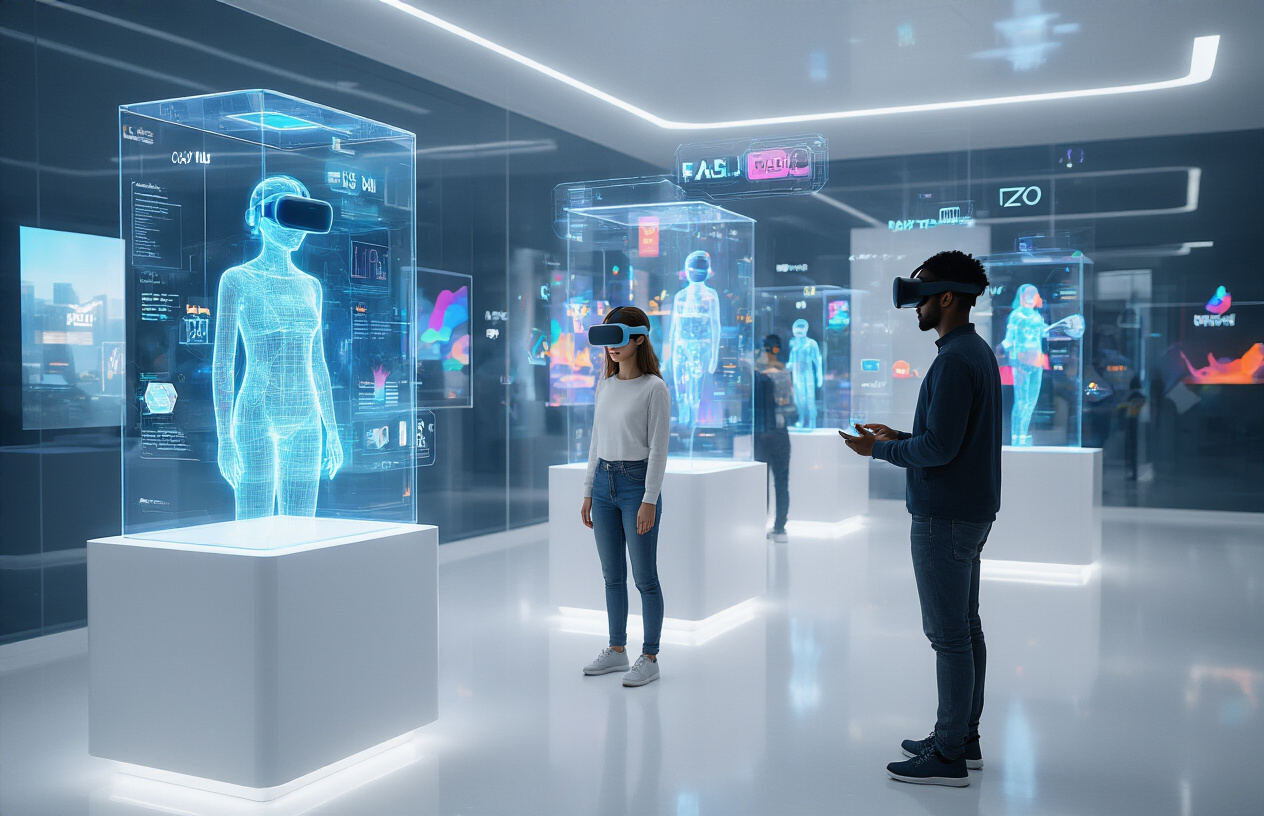
Virtual reality has moved beyond gaming and entertainment to become a powerful marketing tool that lets customers experience products before they buy. Major retailers are creating VR showrooms where shoppers can walk through furniture stores, test drive cars, or even preview vacation destinations from their homes. Real estate companies use VR to offer virtual home tours, helping buyers explore properties without scheduling multiple visits.
The technology excels at selling big-ticket items where customers need to visualize how products fit into their lives. Automotive brands create virtual test drives that simulate different weather conditions and terrains. Home improvement stores let customers see how new kitchen appliances look in their actual space using room scanning technology.
VR marketing campaigns generate higher engagement rates because they create memorable experiences that stick with consumers long after the interaction ends. The immersive nature of VR helps build emotional connections between brands and customers, leading to stronger purchase intentions and long-term brand loyalty. As part of 2026 digital marketing updates, brands are increasingly leveraging virtual reality to deliver interactive storytelling, data-driven personalization, and experiential campaigns that differentiate them in an increasingly competitive digital landscape.
Retail giants report conversion rate improvements of 20–40% when AR features are available. Beauty brands see particularly strong results, with virtual makeup try-ons leading to higher cart values and fewer returns. Fashion retailers use AR fitting rooms that overlay clothing onto customers’ images, helping them make confident sizing decisions—an approach that aligns closely with 2026 digital marketing updates, where immersive, AI-powered, and experience-driven technologies play a central role in influencing purchase behavior.
In-store AR experiences enhance traditional shopping by providing additional product information, reviews, and styling suggestions when customers point their phones at items. QR codes trigger AR content that shows product demonstrations, nutritional information, or personalized recommendations based on past purchases.
One of the 2026 digital marketing updates is Metaverse marketing. Brands are establishing presence in virtual worlds where younger audiences spend significant time socializing and shopping. Gaming platforms host virtual concerts, fashion shows, and product launches that attract millions of participants worldwide. These events create buzz and generate social media content that extends reach beyond the virtual environment.
Companies are purchasing virtual real estate to build branded experiences that feel native to each platform. Fast food chains open virtual restaurants where customers can hang out with friends and learn about new menu items. Luxury brands create exclusive virtual boutiques that mirror their physical store aesthetics.
The metaverse allows for innovative advertising formats that feel less intrusive than traditional digital ads. Sponsored virtual events, branded virtual items, and interactive experiences blend entertainment with marketing messages. Early adopters are building valuable communities and collecting first-party data as these platforms mature.
Three-dimensional product visualization technology transforms how customers evaluate products online. Interactive 3D models let shoppers rotate, zoom, and examine items from every angle, providing a tactile-like experience through digital interfaces. This detailed visualization helps customers understand product dimensions, textures, and features more accurately than static photos.
E-commerce platforms integrating 3D visualization report return rate reductions of up to 30%. Customers make more informed decisions when they can see exactly what they’re buying, leading to higher satisfaction rates and fewer disappointments upon delivery. This is an customer exciting 2026 digital marketing updates.
The technology works particularly well for complex products like electronics, appliances, and outdoor gear where understanding functionality matters. Sports equipment retailers use 3D models to show how gear performs in action, while tech companies demonstrate device features through interactive visualizations that highlight key specifications and use cases.
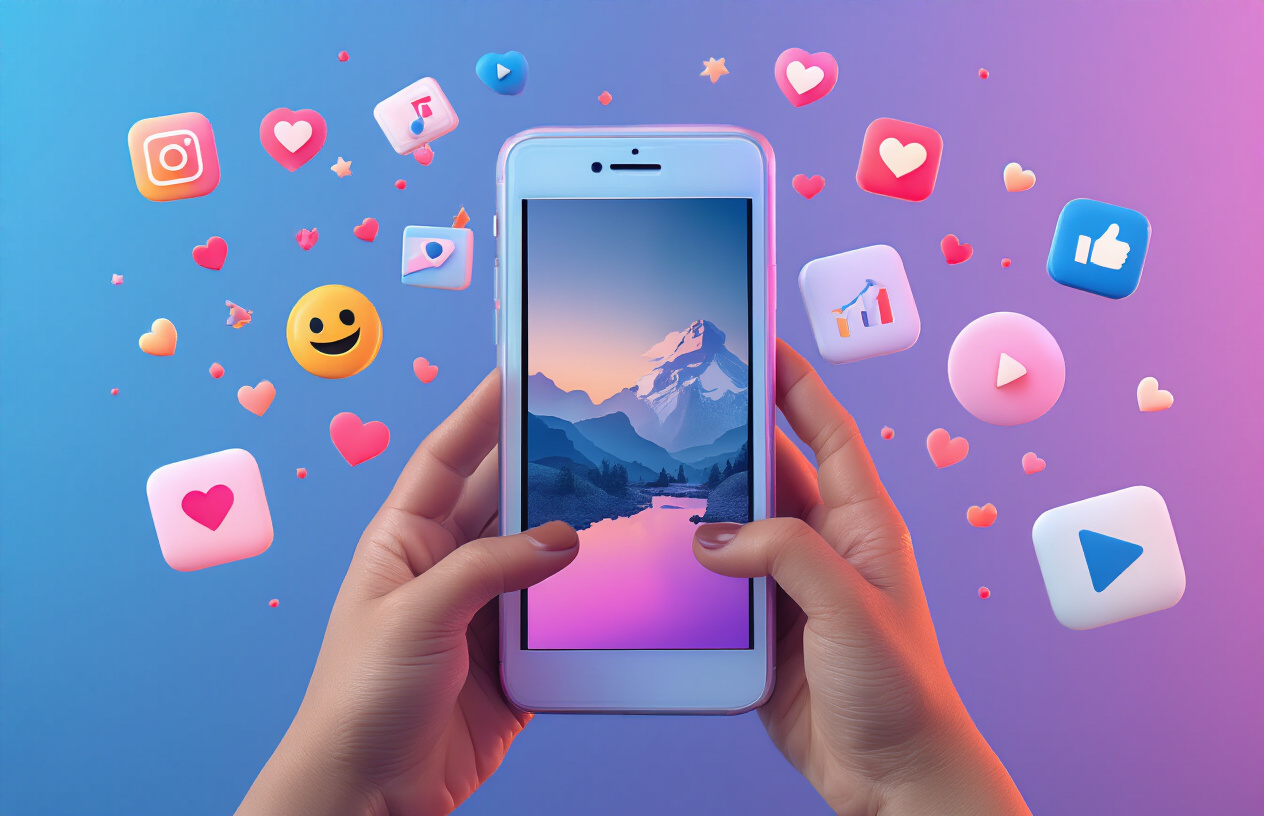
Mobile users spend over 80% of their social media time holding their phones vertically, making vertical video the clear winner for capturing attention. Platforms like TikTok, Instagram Reels, and YouTube Shorts have completely shifted the content landscape, with vertical videos achieving up to 90% higher completion rates than horizontal formats. As part of 2026 digital marketing updates, brands are prioritizing mobile-first, vertical storytelling strategies to maximize engagement, improve algorithmic reach, and align with evolving consumer viewing behaviors.
The 9:16 aspect ratio isn’t just about fitting screens better – it creates a more intimate viewing experience. Users feel like they’re getting a personal message rather than watching broadcast content. This format allows brands to showcase products more naturally, especially for fashion, food, and lifestyle industries where close-up shots drive purchasing decisions.
Smart marketers are redesigning their entire video strategy around vertical storytelling. Quick cuts, bold text overlays, and eye-catching thumbnails work better in this format. The key is grabbing attention within the first three seconds since users scroll past content faster than ever.
Authentic content from real customers carries 2.4 times more influence than branded content when it comes to purchase decisions. Users trust other users, not polished corporate messages. Brands that successfully tap into UGC see engagement rates jump by 28% and conversion rates increase by 4.5%.
The magic happens when customers become voluntary brand ambassadors. They share unfiltered experiences, honest reviews, and creative uses of products that marketing teams never considered. This organic content feels genuine because it actually is genuine.
Successful UGC campaigns give users clear reasons to participate beyond just hoping for likes. Contests, challenges, and community features that reward creativity work better than simple hashtag campaigns. The best brands create frameworks that make sharing content feel natural and rewarding.
Live streaming creates something special that recorded content can’t match – genuine human connection in real time. Viewers can ask questions, get immediate responses, and feel like they’re part of an exclusive experience. This builds stronger emotional bonds between brands and audiences.
The numbers back up the emotional impact. Live streams generate 6 times more engagement than regular video posts and keep viewers watching 10-20 times longer. People stick around because they never know what might happen next, and they can actually influence the conversation.
Brands are using live streaming for everything from product launches to behind-the-scenes content and customer support. The informal nature of live video makes companies feel more approachable and trustworthy. Even technical difficulties and imperfect moments can work in a brand’s favor by showing their human side.
The real power comes from building communities around regular live content. Weekly Q&As, monthly product demos, and special event broadcasts create anticipation and recurring engagement that traditional marketing can’t match.

Modern consumers want brands that share their values, and sustainability sits at the top of that list. Companies are discovering that campaigns focused on environmental protection, social justice, and community impact generate deeper emotional connections than traditional product-focused advertising. As highlighted in 2026 digital marketing updates, brands like Patagonia and Ben & Jerry’s have mastered this approach, building loyal followings by consistently championing causes their customers care about.
The shift toward purpose-driven marketing creates authentic storytelling opportunities. Instead of simply promoting features and benefits, brands can showcase their positive impact on communities and the planet. This approach works particularly well with Gen Z and millennial audiences, who research companies’ values before making purchasing decisions.
Digital advertising’s environmental footprint can no longer be ignored, and addressing it has become a key focus in 2026 digital marketing updates. Data centers powering programmatic advertising consume significant amounts of energy, while creative production often relies on resource-intensive processes. Forward-thinking brands are now measuring, reducing, and offsetting their advertising carbon emissions by adopting greener ad tech platforms, optimizing data usage, and implementing sustainable media strategies.
As highlighted in 2026 digital marketing updates, many companies are partnering with carbon offset providers to neutralize the environmental impact of their campaigns. Others are investing in eco-friendly production methods, using renewable energy to power data centers, and optimizing ad delivery to minimize energy consumption. These initiatives not only demonstrate environmental responsibility but also resonate with eco-conscious consumers, reinforcing trust and brand authority in a market increasingly driven by sustainability.
By integrating sustainability into digital marketing strategies, brands are not only reducing their carbon footprint but also aligning with broader trends emphasized in 2026 digital marketing updates, positioning themselves as leaders in responsible, future-ready marketing.
Trust is becoming a competitive advantage as consumers grow more aware of how their data is handled. In line with 2026 digital marketing updates, brands are adopting transparent data collection practices, clearly explaining what information they gather and how it is used. This transparency strengthens customer relationships, leaving audiences feeling respected, informed, and confident in the brand.
Leading companies now implement privacy-by-design principles, collecting only necessary data and giving users meaningful control over their information. These practices not only comply with evolving regulations but also differentiate brands in a crowded marketplace where trust is scarce.
Third-party certifications help brands prove their sustainability claims rather than just talking about them. B Corp certification, LEED standards, and organic certifications provide independent validation that resonates with skeptical consumers who’ve grown tired of greenwashing.
These certifications create competitive advantages by making sustainability claims credible and comparable. Customers can quickly identify which brands meet rigorous environmental and social standards, making purchasing decisions easier and more confident.
Brands are embracing circular economy principles in their marketing, highlighting product durability, repairability, and end-of-life recycling options. This messaging appeals to consumers who want to reduce waste and make responsible purchasing decisions, aligning closely with 2026 digital marketing updates that emphasize sustainability-driven branding, transparency, and long-term customer value.
Companies showcase take-back programs, refurbishment services, and products designed for longevity. This approach positions brands as partners in sustainable living rather than contributors to throwaway culture, creating stronger customer relationships built on shared environmental values.

The digital marketing landscape is changing fast, and staying ahead means embracing these game-changing trends highlighted in 2026 digital marketing updates. AI-powered tools are making customer connections more personal than ever, while privacy-first approaches are building stronger trust with audiences. At the same time, immersive technologies and short-form videos are opening up exciting new ways to tell your brand story, increase engagement, and capture attention across digital platforms.
Smart marketers who adapt or ready to upgrade their knowledge in digital marketing or join an advanced digital marketing course are now will have a huge advantage in 2026. Start experimenting with AI marketing tools, rethink your data collection practices, and jump into creating bite-sized video content that resonates with your audience. Don’t forget that showing genuine commitment to sustainability isn’t just good for the planet—it’s what today’s consumers expect from the brands they support.